
Nutracap
Manufacturing
Compliance at scale. How Nutracap standardized training across 100,000 sq ft of manufacturing.
“For the first time, we have complete visibility into who's trained on what. That's not just convenient–it's essential for FDA compliance.”
Challenge
Nutracap needed to standardize FDA-required training across food safety, allergen control, good documentation practices, and emergency procedures while maintaining audit-ready records.
Solution
Deploy Konstantly as their QMS training platform, delivering structured courses on food safety, allergen control, adverse event reporting, GDP, and facility requirements with automated compliance tracking.
Results
- 100% GMP training compliance across all production staff
- Audit preparation time reduced from 2 weeks to 2 days
- New hire time-to-floor reduced by 40%
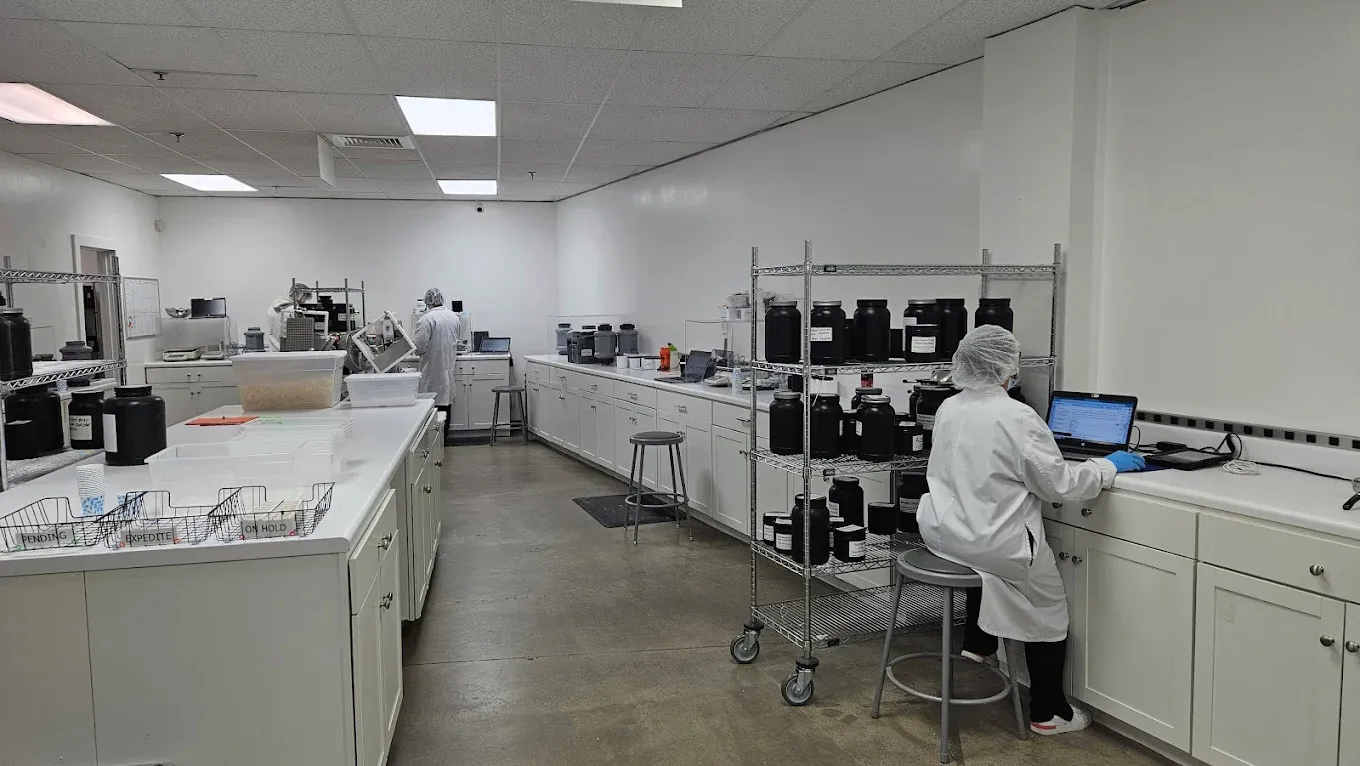
When you're manufacturing supplements that people put in their bodies, training isn't optional–it's the foundation of everything. Nutracap, a contract manufacturer producing custom formulations for brands across the country, learned this lesson as they scaled from a small operation to a 100,000 square foot certified facility.
The compliance challenge
In supplement manufacturing, FDA regulations require documented training for every employee who touches the production process. Good Manufacturing Practices (GMP) certification isn't a one-time event–it requires ongoing training, regular recertification, and detailed records that auditors can review at any time.
"We had binders full of sign-off sheets. When an auditor asked for training records, we'd spend days pulling files and cross-referencing spreadsheets. It was a nightmare."
As Nutracap grew, their training documentation became increasingly fragmented. Food safety training happened separately from allergen control, emergency procedures lived in different systems than quality documentation, and there was no central way to verify who was certified for which processes.
Building a comprehensive QMS training system
Food safety and contamination prevention
Every employee completes foundational food safety training covering:
- Biological hazards: Pathogen prevention and contamination controls
- Chemical hazards: Cleaning agents, allergens, and cross-contamination
- Physical hazards: Foreign material prevention and detection
- Preventive controls: HACCP principles applied to supplement manufacturing
"Food safety isn't just for kitchens. Our employees handle ingredients that end up in people's bodies–they need to understand the stakes."
Allergen control certification
With products containing common allergens, Nutracap requires rigorous allergen awareness:
- Allergen identification: Recognizing the major allergens in dietary supplements
- Cross-contact prevention: Equipment segregation and cleaning verification
- Storage and handling: Proper separation and labeling procedures
- Label accuracy: Ensuring allergen declarations match actual ingredients
Good Documentation Practices (GDP)
In GMP environments, documentation is as important as the process itself:
- Core GDP principles: Accuracy, completeness, and contemporaneous recording
- Proper documentation techniques: How to make corrections, use ink, and sign properly
- Common mistakes to avoid: Backdating, using white-out, leaving blanks
- Impact on compliance: Why documentation errors trigger FDA findings
"GDP training changed how our team thinks about paperwork. They understand now that every entry could be reviewed by an auditor."
Personal hygiene and dress code
GMP-regulated environments demand strict hygiene standards:
- Handwashing protocols: When, how, and verification procedures
- Proper attire: Hairnets, beard covers, gowning requirements
- Illness reporting: When to stay home and how to report
- Grooming standards: Jewelry, nail polish, and personal item restrictions
Emergency and safety procedures
Comprehensive training covers workplace safety and emergency response:
- Emergency Action Plan: Fire evacuation, medical emergencies, chemical spills
- Workplace safety fundamentals: Hazard recognition and prevention
- Food defense: Preparedness against intentional contamination
- Pest control awareness: Recognizing and reporting pest activity
Adverse event reporting
For dietary supplements and cosmetics, employees learn to identify and report:
- Serious vs. non-serious adverse events: Understanding the distinction
- Regulatory obligations: FDA reporting requirements and timelines
- Internal procedures: Documentation and escalation protocols
- Consumer complaint handling: Proper recording and follow-up
GMP facility requirements
Training on facility-specific controls ensures employees understand:
- Facility design principles: How layout supports GMP compliance
- Sanitation requirements: Cleaning procedures and verification
- Environmental monitoring: Temperature, humidity, and air quality
- Zoning and traffic flow: Preventing cross-contamination through movement controls
Audit-ready reporting
When FDA auditors arrive, Nutracap can now generate complete training histories for any employee in minutes. The reports show not just completion dates, but actual assessment scores and supervisor sign-offs–organized by QMS document number for easy cross-reference.
"The auditor actually complimented our training documentation. That's never happened before."
The results
Twelve months after implementing Konstantly:
- FDA audit completed without any training documentation findings
- New hire onboarding reduced from 3 weeks to under 2 weeks
- Recertification compliance improved from 73% to 100%
- Training-related production errors decreased by 65%
Looking ahead
Nutracap is now expanding their QMS training to include equipment-specific certifications and cross-training programs, allowing them to build a more flexible workforce that can adapt to production demands while maintaining their commitment to quality and consumer safety.